The Golden Fields: Canola Production in Mid-Michigan
An Advantageous Crop
By Teresa Miller
Did you see the beautiful yellow fields in the Mason area this spring and wonder what was growing? The answer is canola or rapeseed, which is often considered the golden crop due to its vibrant yellow flowers and valuable oil content. It is an increasingly popular commodity in the agricultural landscape of Mid-Michigan, including Mason. While canola is primarily associated with Canada, its production in Michigan has been steadily growing.
Growing Interest in Canola
Canola is a type of rapeseed, which is a brassica similar to mustard. It was developed in Canada through traditional plant breeding in the 1970s. In fact, the word canola is derived from “Canadian oil” and it was bred to have lower levels of erucic acid and glucosinolates than conventional rapeseed, making it more palatable for human consumption and more versatile in its applications.
Canola’s development not only improved its suitability for consumption, but also enhanced its nutritional profile. The oil extracted from canola is known for its heart-healthy properties, being low in saturated fats and high in omega-3 fatty acids. This makes it a staple in many American kitchens and a key ingredient in processed foods.
“Canola is processed into canola oil and canola meal,” said Tyler Abel, an Account Manager with ADM. “Canola seed has 45% oil content and is the third most consumed oil after palm and soybean oil. Canola meal is high in protein and used in feed for cattle, swine, and poultry, as well as aquaculture.”
This dual purpose of canola, providing both nutritious oil and high-protein meal, makes it similar in value to corn and soybeans. While Michigan is not traditionally known for canola production, there is a growing interest in the crop among the state’s farmers. The unique climate and soil conditions in Michigan offer a promising environment for canola production.
“The economics allow canola to compete for acreage with other row crops,” said Abel. “And, the climate in Michigan provides a strong yield potential.”
Benefits of Growing Canola
As interest in canola continues to grow, Michigan’s agricultural sector stands to benefit from diversifying its crop portfolio. Farmers appreciate canola’s relatively low input costs and the advantages it provides in crop rotation, improving soil health and breaking pest and disease cycles.
A resource for farmers looking for more information, Michigan State University (MSU) has been researching canola and its extension services help growers adopt best practices for canola production. MSU’s initiatives include conducting field trials to determine the best varieties for the region and offering guidance on pest management, disease prevention, and sustainable farming techniques.
“Canola in Michigan is worked into the corn and soybean rotation,” said Madelyn Celovsky, Conservation Agronomist Educator with Jackson County MSU Extension. “Adding a crop to the rotation means there is a longer time period between crops and more crop diversity is a good tool to have in the toolbox to manage pests and disease.”
Since canola is a brassica, whereas corn and wheat are grasses and soybeans are legumes, farmers who add canola to their rotation have fewer problems with parasitic nematodes, weeds, insects, and diseases. With its deep root structure, canola not only reduces the chance of erosion, but also improves soil structure for subsequent crops.
“Canola is planted after soybeans in the early fall and harvested in July,” said Celovsky. “While it can be no-tilled, even when it isn’t, canola provides ground cover for fields in winter to help prevent soil erosion.”
Besides lending itself to sustainable farming practices, canola also provides economic benefits. It provides cash flow in the early summer, before wheat and other crops are harvested. Also, adding canola can help to balance fluctuating crop production or market prices in any given year.
“A farm is more resilient when they spread their risk across different crops,” said Celovsky. “For example, if it is a bad wheat year, it may be a good canola year.”
Expanding Canola’s Horizons
Currently, there are a few thousand acres of canola in production in Ingham, Livingston and Shiawassee counties. With the economic and sustainability benefits of growing canola, the golden fields of canola in our area are likely to expand due to increasing support from both MSU and agribusinesses like ADM.
“ADM in Webberville started handling canola in 2021 and ships canola to Windsor, Canada for processing,” said Abel. “Our location in Webberville is a drop-off point, providing a market for canola that producers wouldn’t have elsewhere.”
This initiative by ADM has significantly contributed to the growing interest in canola cultivation in Mid-Michigan, as it opens up new opportunities for local farmers. For growers looking to get started with canola, every spring ADM offers an informational meeting and sells Rubisco canola seed. These meetings are designed to educate and support farmers, ensuring they have the knowledge and resources needed to successfully cultivate canola.
“Row crop growers can use their current equipment to plant and harvest canola,” said Abel. “If growers are interested in planting canola this year, they should get their seed orders in right away and can work with any account manager at ADM Webberville.”
The Future of Canola in Mid-Michigan
Due to a high demand for canola oil, both domestically and internationally, there is a steady market for canola producers. Farmers in Mid-Michigan are increasingly appreciating the multifaceted advantages of canola for its immediate economic benefits and for enhancing long-term soil health.
With ongoing research, support, and adoption of best practices, canola is poised to become a main-stay in the Mason area. As more farmers embrace this versatile crop, the fields of golden flowers may become an increasingly common sight, symbolizing a thriving and sustainable agricultural future.
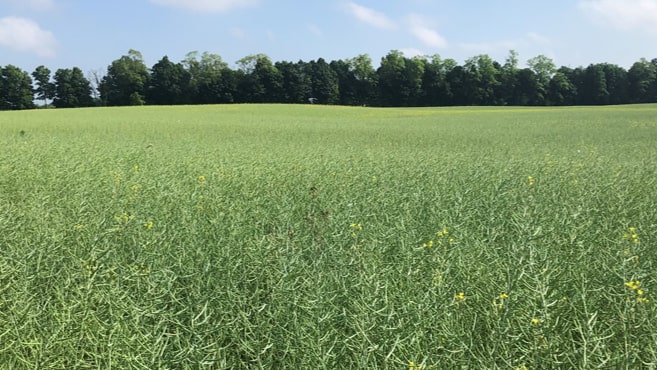
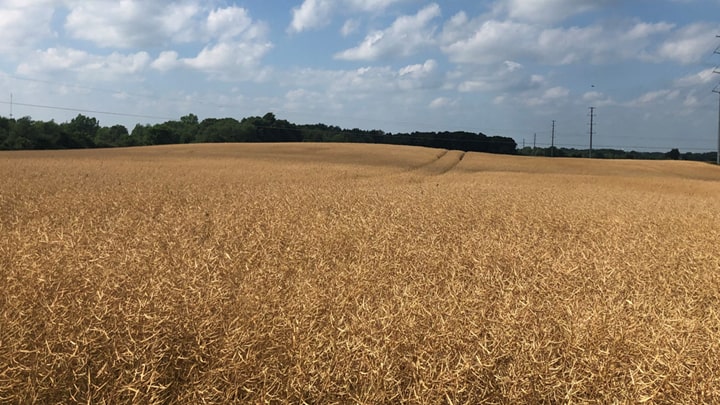
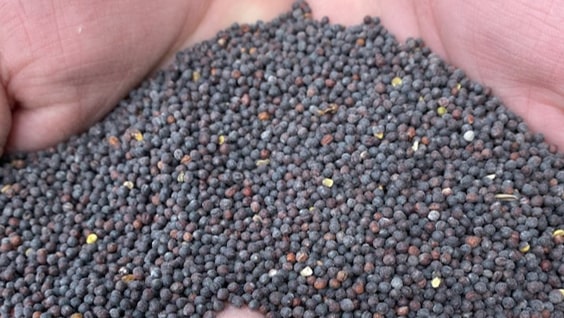
Photo Credits: ADM