The Well-Maintained Home: Stay Ahead of Repairs for Added Comfort, Safety, and Savings
By: Teresa Miller
Buying a home is a major milestone and caring for your home is a long-term commitment. Beyond the monthly to-do lists and seasonal upkeep, every home has an ongoing cycle of maintenance. These bigger tasks don’t come around every year, but when they do, they matter.
If you’ve recently purchased a home in Mid-Michigan, or if you’re settling into one you’ve owned for years, it helps to understand the bigger picture of home maintenance. With some forethought and a little planning, you can stay ahead of wear and tear, protect your investment, and enjoy a home that’s comfortable and dependable for decades to come.
Keep in mind that Michigan’s climate plays a role in your home’s ongoing maintenance requirements. Freeze-thaw cycles, heavy snowfall, and humidity all affect the lifespan of materials. What holds up in a dry southern climate may wear more quickly in Mid-Michigan.
Use Your Home Inspection as a Starting Point
When you bought your home, you likely received a professional home inspection. Many people set this report aside after the closing process, but it’s actually one of the most useful tools you have. That report tells a story about your home’s condition at the time of purchase. It includes the estimated age of major systems like your roof, furnace, and water heater, and often points out areas to watch.
Instead of treating it as a checklist for immediate repairs, think of your inspection report as a long-range maintenance guide. Look for notes like “monitor,” “showing signs of wear,” or “near the end of its lifespan.” Those clues help you plan what needs attention in the next five to ten years, and what might come up further down the road.
Think in Timeframes, Not Just Tasks
Some home projects are monthly or seasonal, but others show up on a longer cycle. By understanding when certain components of your home typically need replacement, you can avoid being caught off guard. You can also budget ahead for the bigger expenses that come with the aging of your home. While not exhaustive, the list below includes many of the larger maintenance items that arise over the long term. Be sure to check with your home inspection report or with local home services professionals for advice unique to your home.
Every 3 to 5 Years
- Refresh mulch beds and amend compacted garden soil
- Trim or reshape mature trees to prevent storm damage and maintain structure
- Reseal decks and porches, especially wood surfaces
- Touch up exterior paint on trim, doors, and other exposed areas
- Inspect and touch up garage doors and thresholds
Every 5 to 10 Years
- Reseal asphalt driveways
- Repaint or restain wood siding and trim
- Replace water heater
- Refresh weather stripping and caulking
- Refinish hardwood floors
- Replace aging shrubs or perennials that have outgrown their space or lost vigor
- Regrade yard or lawn areas where settling, erosion, or poor drainage develops
- Remove invasive or dying trees that pose a risk to the home or utility lines
Every 10 to 20 Years
- Replace roof shingles
- Upgrade furnaces and air conditioners
- Replace older windows
- Repair or replace gutters
- Replace major appliances
Within 20 to 30 Years or More
- Replace original siding
- Update plumbing or electrical systems in an older home
- Address foundation or structural issues if needed
- Replace or repair septic systems
- Invest in major hardscaping updates such as patios, retaining walls, or walkways
Don’t Overlook Tree Maintenance
Landscaping often gets attention in the first few years of homeownership, but mature trees deserve special consideration as part of your long-term maintenance plan. Especially in Mid-Michigan, where storms, wet soil, and rapid tree growth are common, regular tree evaluations should be a part of your home maintenance schedule.
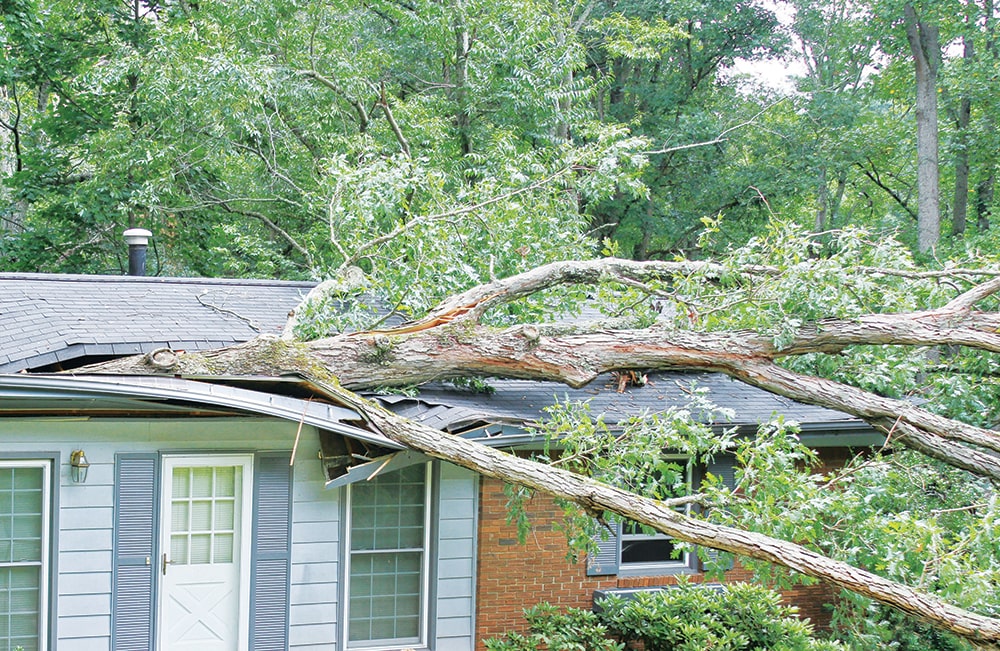
“Tree care isn’t just about reacting after damage is done — it’s about planning ahead,” said Justin Brummette, owner of Big Kid Tree Worx. “A tree that’s too close to a structure, showing signs of decay, or suffering from poor drainage can become a costly hazard. In Michigan’s fast-growing conditions, trimming every few years is essential.”
Brummette also notes that removing one tree can change the wind dynamics on your property. “Removing a tree might expose others to winds they’ve never faced before, so smart removal and maintenance matters. And if a tree does fall on your roof, insurance won’t step in until it’s gone and the roof is visible. So, act quickly, remove the tree, and get the roof tarped before more damage is done.”
It’s smart to schedule professional inspections and not delay when a tree is showing signs of distress. Proactive maintenance is always more affordable, and less stressful, than emergency removal after a storm.
Budgeting and Planning Ahead
Experts often recommend that homeowners set aside one to three percent of their home’s value each year for maintenance. One percent may be sufficient for newer homes or those in excellent condition, while older homes or those with deferred maintenance may require more than three percent.
Having a long-term maintenance fund can help you handle big expenses like a new furnace or roof without added stress. It also allows you to take care of things on your own timeline rather than waiting until something breaks.
Use the Right Materials and Methods
Proper maintenance isn’t just about keeping things clean or in working order. It’s also about using the right materials and following recommended care instructions. These choices can make future remodeling projects smoother and help you avoid costly surprises later.
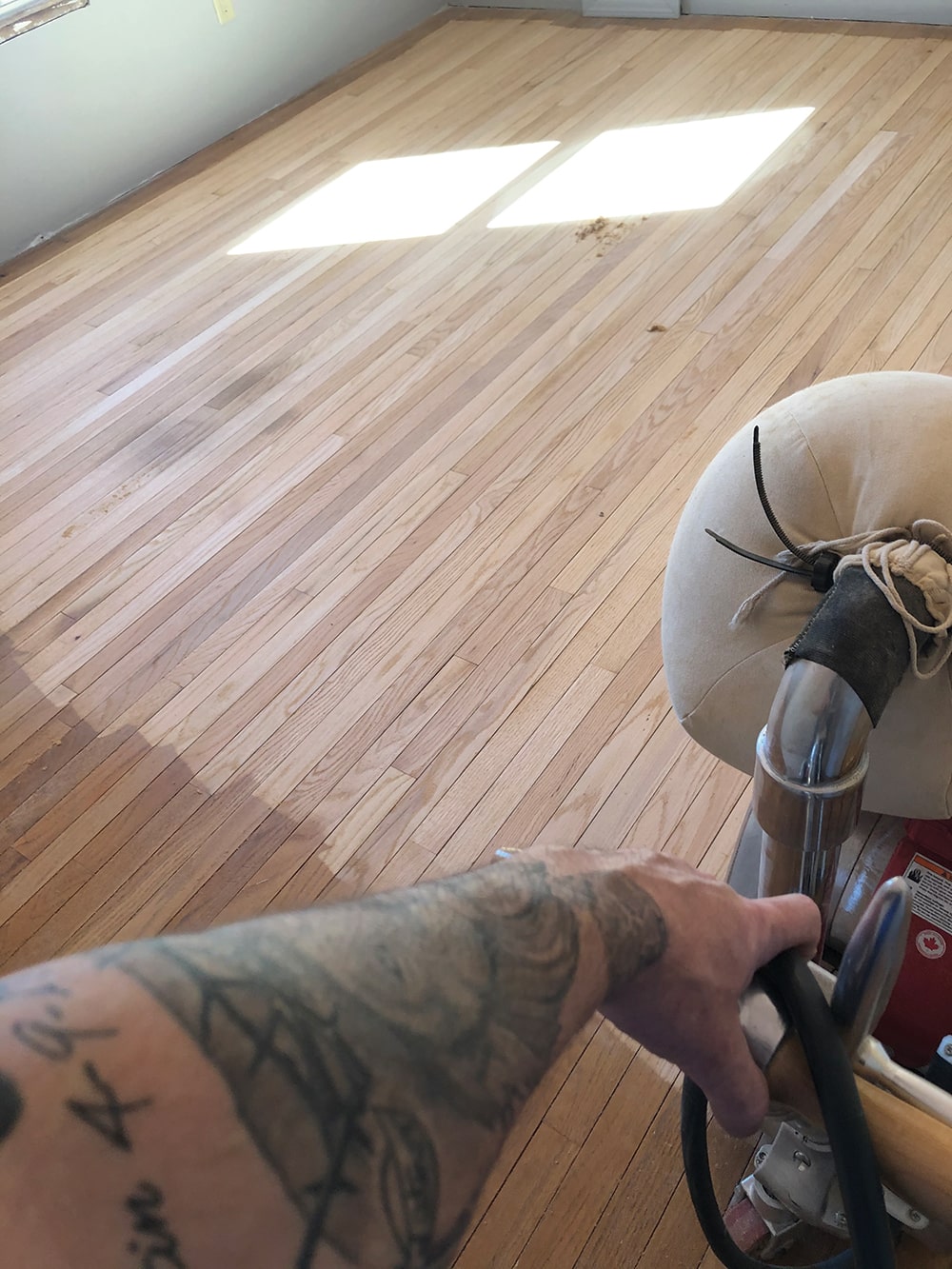
“I highly recommend people to not use Murphy’s Oil Soap to clean their hardwood floors. Stick to the properly formulated wood floor cleaners,” said Nik Morehouse, owner of Morehouse Improvements LLC. “Contaminants from using the wrong cleaners can wreak havoc on the results when you have them refinished.”
Using the wrong products — like interior paint on exterior trim or construction adhesive in place of proper caulk — may seem minor, but they can cause long-term issues. Over time, these materials may peel, crack, or fail to hold up under changing conditions. Choosing the right products from the start helps protect your home and can save time, frustration, and money when it’s time to remodel.
Pride in a Home Well Cared For
A well-maintained home is more than a financial asset. It’s a place that feels safe, grounded, and comfortable. Planning ahead for long-term maintenance helps protect that feeling, while also preserving the structure and systems that keep your home running smoothly.
This approach is about being thoughtful, prepared, and proud of the way you care for your space. That includes using the right materials for the job, following proper guidelines, and making choices that support your home’s long-term health. You don’t need to tackle everything at once. Focus on what matters most right now, use your inspection report as a guide, and check in with your plan each year. The care you invest today helps your home remain strong, efficient, and inviting for many years to come.