Exploring a Career in Skilled Trades in Ingham County: A Path Worth Considering
The Hands-On Route to Success
By Teresa Miller
Deciding on a career path is a significant decision, but if you’re inclined towards hands-on work that yields immediate, tangible results, the skilled trades are worth considering. These professions are not just jobs; they are critical roles that keep society running smoothly and offer personal fulfillment, financial stability, and numerous other benefits. Students in Ingham County may embark on a journey in pursuing a career in the skilled trades in a variety of programs available through Career and Technical Education (CTE).
Benefits of the Skilled Trades
Pursuing a career in the skilled trades can be a smart, rewarding decision. Skilled trades people are always in high demand due to the essential nature of their work, which includes construction, electrical, plumbing, carpentry, and more. The persistent need for these skills means that job security in this sector tends to be robust.
Variety, a sense of accomplishment, and financial considerations contribute to high job satisfaction in many of the skilled trades. Working in a trade often means no two days are the same. The work can involve different locations, varied projects, and unique challenges, which keeps the workday interesting and dynamic. There is a unique satisfaction that comes from crafting or repairing something with your own hands. Additionally, skilled trade jobs often offer competitive salaries that are comparable to or even exceed those of jobs requiring a four-year college degree.
“Michigan’s employers are seeking to fill skilled trades positions more than ever before,” said Jamie Engel, Executive Director for Career & Technical Education at Ingham Intermediate School District. “The shortage of trained workers in fields such as manufacturing, construction and automotive is expected to continue through 2030. Students who take advantage of Career & Technical Education (CTE) programs, such as those offered at the Wilson Talent Center in Mason, can leave high school work-ready, often with on-the-job training through work-based learning experiences or apprenticeship opportunities.”
Other financial advantages for skilled trades people include the opportunity to work overtime and the opportunity for advancement. Skilled trades people can advance in their careers by increasing levels of certification and specialization, by moving into management and supervisory roles, or by going into business for themselves.
Spotlight on the Skilled Trades
For those who prefer active, engaging work environments over desk jobs, skilled trades provide the opportunity to work with their hands, solve practical problems, and see tangible results. Here are just a few of the fields available in the skilled trades:
- Electrician: Electricians install, maintain, and repair electrical power systems in homes, businesses, and factories, ensuring that electricity is safely and efficiently brought to every device that needs it.
- Plumber: Plumbers install and repair pipes and fixtures that carry water, gas, or other fluids in residential and commercial settings. They are critical in designing systems that effectively manage water and waste.
- Carpenter: Carpenters construct and repair structures, buildings, and homes. Some work as builders, others as remodelers, or they may also build custom furniture and cabinetry.
- HVAC Technician: HVAC technicians work on heating, ventilation, air conditioning, and refrigeration systems that control the temperature and air quality in buildings. Some work in commercial buildings and others service or install equipment in homes.
- Welder: Welders use equipment to join metal parts, fixing and fabricating metal structures, tools, and vehicles across a variety of industries. Welding requires a steady hand and precise attention to detail.
- Heavy Equipment Operator/Mechanic: Heavy equipment operators work with large machinery and vehicles used in construction, mining, agriculture, and other industries. They also need to know how to maintain, and repair heavy equipment such as bulldozers, cranes, excavators, and loaders.
- Automotive Technician/Mechanic: Automotive technicians diagnose, repair, and maintain vehicles. They work on engines, transmissions, brakes, and other mechanical and electrical systems.
Empowering Students to Build a Bright Future
From electricians wiring up our world to plumbers ensuring our water runs smoothly, skilled tradespeople are the backbone of our infrastructure. But how does one get started in this fulfilling line of work? High school CTE programs serve as a launching pad, providing students with the practical skills, industry connections, and career readiness needed to thrive in the trades.
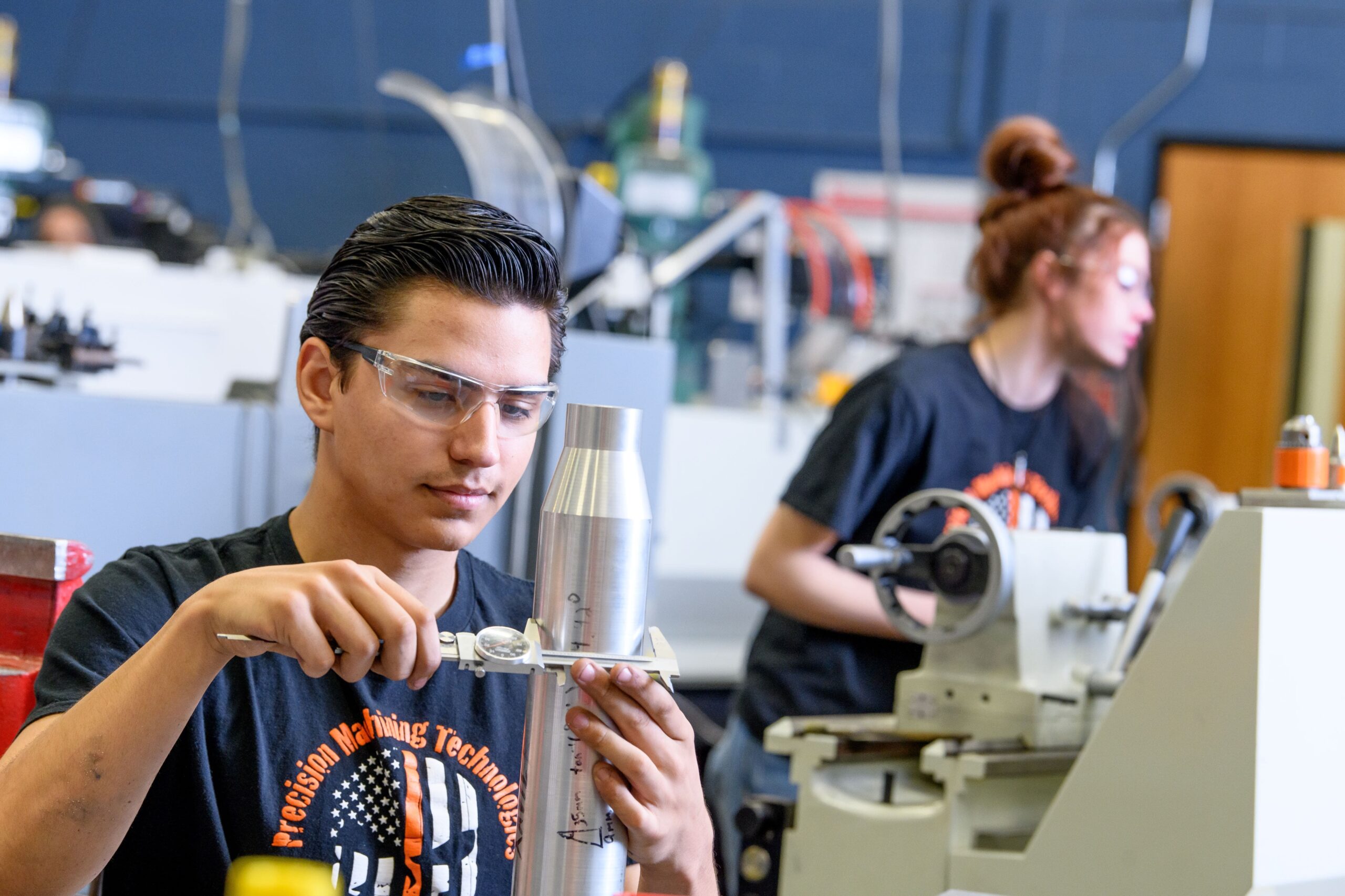
CTE programs provide students with hands-on experience and exposure to various occupations, helping them discover their passions and strengths. Juniors and Seniors at Leslie or Mason High School who are interested in the skilled trades attend high school for a half day. Then they attend a skilled trades CTE program for a half day at the Wilson Talent Center in the construction trades, welding technology, automotive technology, engineering technologies, or precision machining technology. The Wilson Talent Center also offers CTE programs in a variety of other fields including health care, cosmetology, criminal justice, and culinary arts.
“In addition to the work-based learning experiences that allow students to see first-hand what the world of work will look like, CTE students have the opportunity to earn state and national industry certifications, making them a more valuable employee,” said Engel. We hear regularly from students that they ‘learn best by doing’ and that’s what these programs allow them to do – learn in a hands-on environment.”
From using tools to mastering technical knowledge, students gain practical skills directly applicable to the workforce. Through the Wilson Talent Center’s partnerships with local businesses and professionals, these programs offer networking opportunities and real-world insights. Each program helps to prepare students for immediate employment and further education. Some offer industry-recognized certifications.
Transitioning from Classroom to Career
With a solid foundation from CTE programs, students seamlessly transition into the workforce or pursue advanced training. Armed with practical skills, industry connections, and a clear career path, they can enter careers in the skilled trades, shaping the world around them one project at a time.
Choosing a career in the skilled trades isn’t just about finding a job—it’s about pursuing an occupation that offers stability, satisfaction, and meaningful impact. High school CTE programs serve as the first step on this journey, empowering students with the skills, knowledge, and connections needed to succeed in the workforce. Whether you’re wiring circuits, welding metal, or building structures, the world of skilled trades awaits—ready to welcome you into its ranks.


How You Can Help Students Going into the Skilled Trades
Embrace the opportunity to make a lasting impact in your field by supporting Career and Technical Education (CTE) at the Wilson Talent Center! They are actively seeking industry experts to serve as guest speakers, mentors, and advisors.
Here’s how you can leverage your professional knowledge to shape the future workforce:
- Join a CTE program advisory committee
- Engage as a guest speaker
- Arrange student tours or job shadowing experiences
- Provide apprenticeships, internships, and job placements
Learn more about the Wilson Talent Center at www.inghamisd.org/wtc/. For information about getting involved, call 517-244-1330.
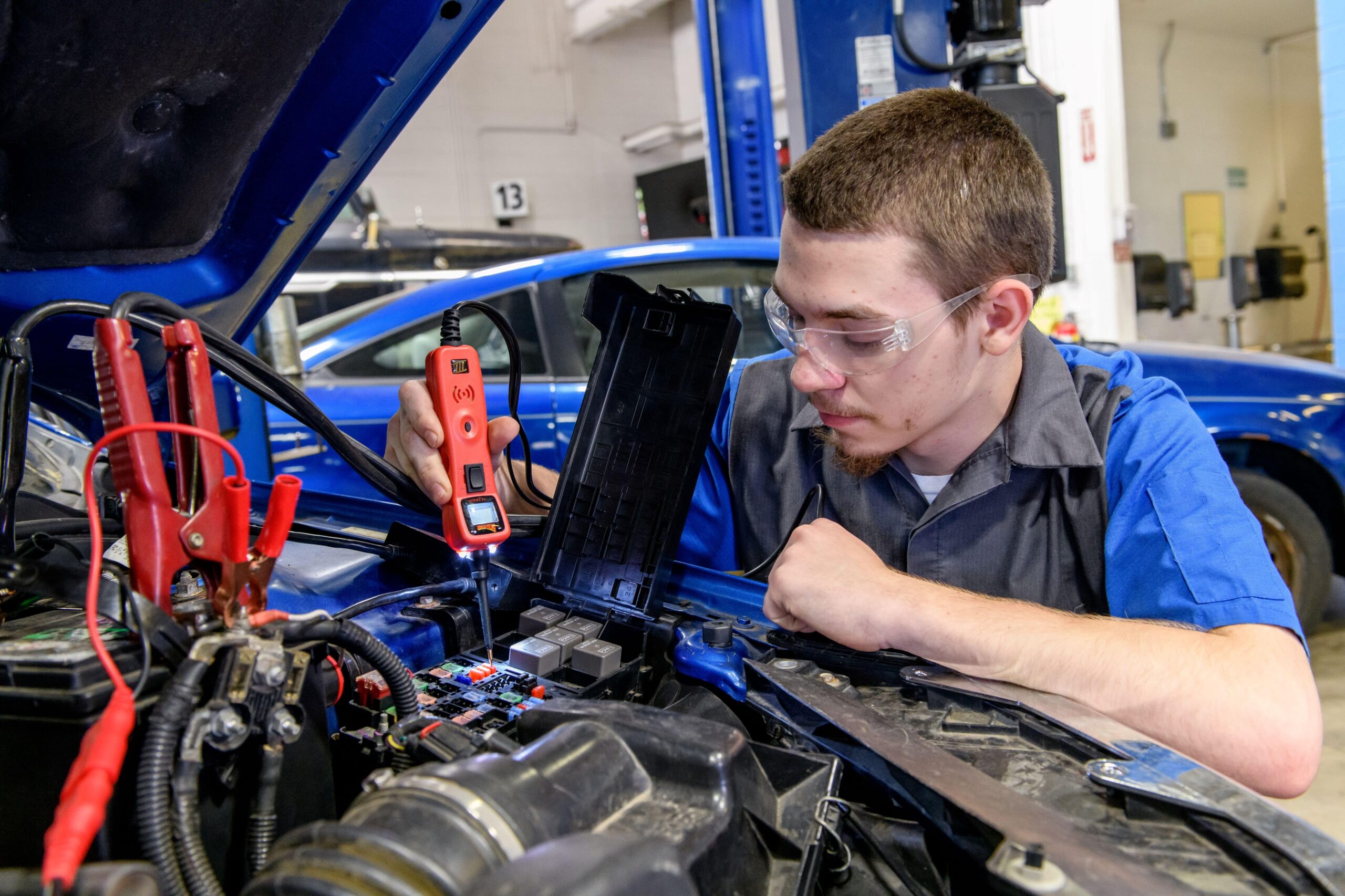
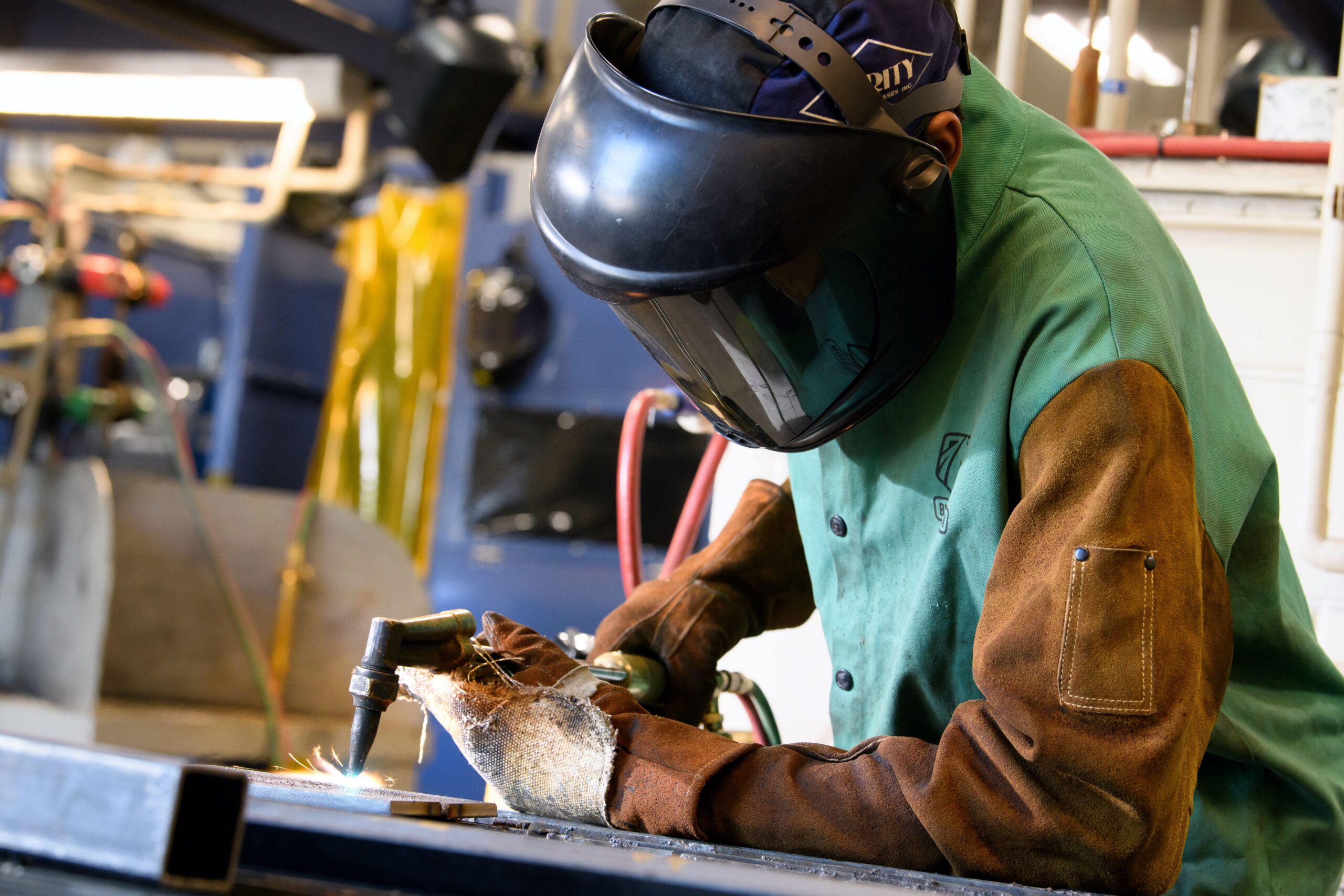
Photo Credits: Wilson Talent Center